ABOUT HIGHLAND PARK
Welcome to the Highland Park 3 Association, Inc. (HP3A). As a non-profit corporation, our mission is to preserve the community's appeal, foster goodwill, and protect property interests within the Highland Park Subdivision, Filing 3.
The Association is managed by a dedicated four-member Board of Directors. Membership is mandatory for all property owners, with each lot carrying one vote in community decisions. Annual dues are currently $200.
Current Directors of Highland Park 3 Association, Inc.
Tim Cerniglia (President)
Ray Carrillo (Vice President)
Dennis Maier (Secretary)
Tony Hicks (Treasurer)
Location and Community
Highland Park is a premier, covenant-protected community comprising approximately 158 estate-sized homesites. Ideally situated on the far northeastern edge of Colorado Springs—roughly two miles north of Woodmen Road—the neighborhood spans scenic rolling landscapes right up against the southern treeline of the Black Forest area.
Convenient access to the community is provided via main entrances off of Black Forest Road (to the west), Vollmer Road (to the east), and Poco Road.
Neighborhood Characteristics
- Expansive Homesites: Properties throughout the community average 2.5 acres each. This offers a rare opportunity to enjoy large, country-estate living with a rural, rolling-hills character while remaining just minutes from the city.
- Stunning Natural Features: Most lots boast panoramic views of Pikes Peak and the Front Range, with select portions of the property beautifully bordered by Cottonwood Creek.
- Value Preservation: To protect the neighborhood's aesthetic appeal and safeguard long-term property values, the entire community is guided by carefully crafted protective covenants and design standards.
Infrastructure & Amenities
- Utilities & Systems: Homesites blend rural tranquility with modern infrastructure, served entirely by underground electric, gas, and telecommunications. Properties utilize individual private wells and septic systems.
- Community Trails: A dedicated, non-motorized trail system currently connects Filings 1 and 2, with future phases planned to potentially extend the system into Filing 3.
Community Governance
While the filings share the same beautiful geographic area, Highland Park is managed by two separate homeowner associations:
- Filings 1 and 2 are represented by the Highland Park Neighborhood Association, Inc. (HPA).
- Filing 3 is independently governed by its own distinct entity, the Highland Park 3 Association, Inc. (HP3A).
History & Evolution of Highland Park
Highland Park was thoughtfully designed through a deliberate series of land plats, known as "Filings," that define our community’s layout today. Below is the chronicled history of our neighborhood's development and infrastructure transformation.
1. Filing 1 & Infrastructure Refinements
- The Foundation: Established Lots 1–52 west of Cottonwood Creek, alongside Tract A (situated north of the Briargate Parkway right-of-way, currently preserved by the HPA as a potential future water augmentation well site).
- Filing 1-A: Implemented crucial engineering modifications to stabilize natural drainageways. Large swaths of the north-south drainage corridor from Briargate Parkway south were excavated, reinforced with rock and landscape fabric, graded, and reseeded. This altered the drainage easement slightly across Lots 4, 5, 21–23, 26, 27, 33, 34, 39, 40, 45, and 46 without changing the lot boundaries.
- Filing 1B: A precise lot-line adjustment between Lots 16 and 17 to ensure compliance with county front building setback requirements.
2. Filing 2 & Open Space Dedication
- The Expansion: Recorded in 2003, adding Lots 53–119. Lots 53–59 sit west of Cottonwood Creek, while the remaining homesites lie to the east.
- The Shared Open Spaces: Tracts B and C form the core of the Cottonwood Creek open space. Owned by the HPA for the exclusive use of Filing 1 and 2 residents, Tract C spans from the Forestgate bridge north to the future Briargate Parkway easement (including the dam and pond), while Tract B encompasses the creek lands to the south. These tracts also host an El Paso County trail easement intended to link a regional trail into the county-wide Santa Fe Trail system.
- Future Roadway Reserves: Tract D (at the southern end of Ben Tirran Court) is owned by Little London, LLC and is reserved for a potential El Paso County right-of-way for Research Parkway. Because the county has not finalized this alignment, its final necessity remains uncertain; if not utilized for the road, it will be replatted as a premium residential lot and sold.
3. Filing 3 & Contemporary Governance
- The Final Phase: Overcoming complex water rights negotiations, shifting economic cycles post-2007, and updated engineering requirements, Filing 3 was successfully completed as a prestigious final addition to the community.
- Dual-Association Structure: Because of updates to the Colorado Common Interest Ownership Act (CCIOA) during the development interval, Filing 3 cannot be automatically annexed into the original HPA without a community-wide vote. It operates under its own entity, HP3A, while Filings 1 and 2 operate under HPA. A future vote and covenant amendment may eventually merge the two distinct associations.
Important Note on Regional Roadway Projects
Future infrastructure projects like Briargate Parkway and Research Parkway are entirely designed, funded, and managed by El Paso County; Little London, LLC is not responsible for their construction.
The timeline for Briargate Parkway depends on the County's long-term land acquisitions, requiring a full 120-foot right-of-way from multiple property owners across large, undeveloped parcels to the east. Without verified thoroughfare connections extending east of Highland Park 3 or west from Black Forest Road, there is currently no compelling regional driver for immediate construction. Currently, the completed segment east of Black Forest Road serves exclusively to provide access to the Eagle Wing Estates subdivision north of Filing 1.
Highland Park’s Scottish Street Names
Welcome to Highland Park: A Little Slice of Scotland
If you’ve ever looked around Highland Park and thought, “This feels a bit like a classic European countryside,” you’re spot on. Our community was intentionally designed as a nod to the rugged, historic beauty of Scotland.
Here is the story behind the scenery:
- The "Moor" You Know: Our gently rolling high plains are a dead ringer for the dramatic Scottish moors. Granted, when our grasses are mowed, we look more like a manicured park than the ultra-lush, neon-green farming lowlands of central Scotland—but we wear our high-plains charm proudly!
- Built on Solid Ground: Take a closer look at our community entrances. That isn't cheap concrete block with a fake veneer finish. It is 100% solid, native sandstone rock, chosen specifically because it mirrors the timeless stone used to build Scotland’s historic castles and estates. The county even leaned into this aesthetic, requiring rock-lined ditches in several areas to complete the Old World look.
- What’s in a Name? Because the landscape felt so authentically Scottish, it only made sense to match the roads to the vibe. You'll find Celtic-inspired street names woven throughout the entire neighborhood.
The Lone Exception
You might notice one street that didn't get the Scottish memo: Forestgate. This name serves a different, equally beautiful purpose, acting as the official, scenic gateway to our neighbor, the Black Forest.
So, next time you drive through the gates, imagine a bit of bagpipe music in the distance—you're living in a neighborhood with deep roots and a truly classic design.
A Tour of Our Scottish Streets: Pronunciation, History, & Charm
Ever wonder about the stories behind our street names? Highland Park’s roads are a curated tribute to the rugged wilderness, royal playgrounds, and epic history of Scotland.
Grab your map, brush up on your Gaelic, and let’s take a tour of the neighborhood!
The Peaks & Highlands
Cairngorm Way
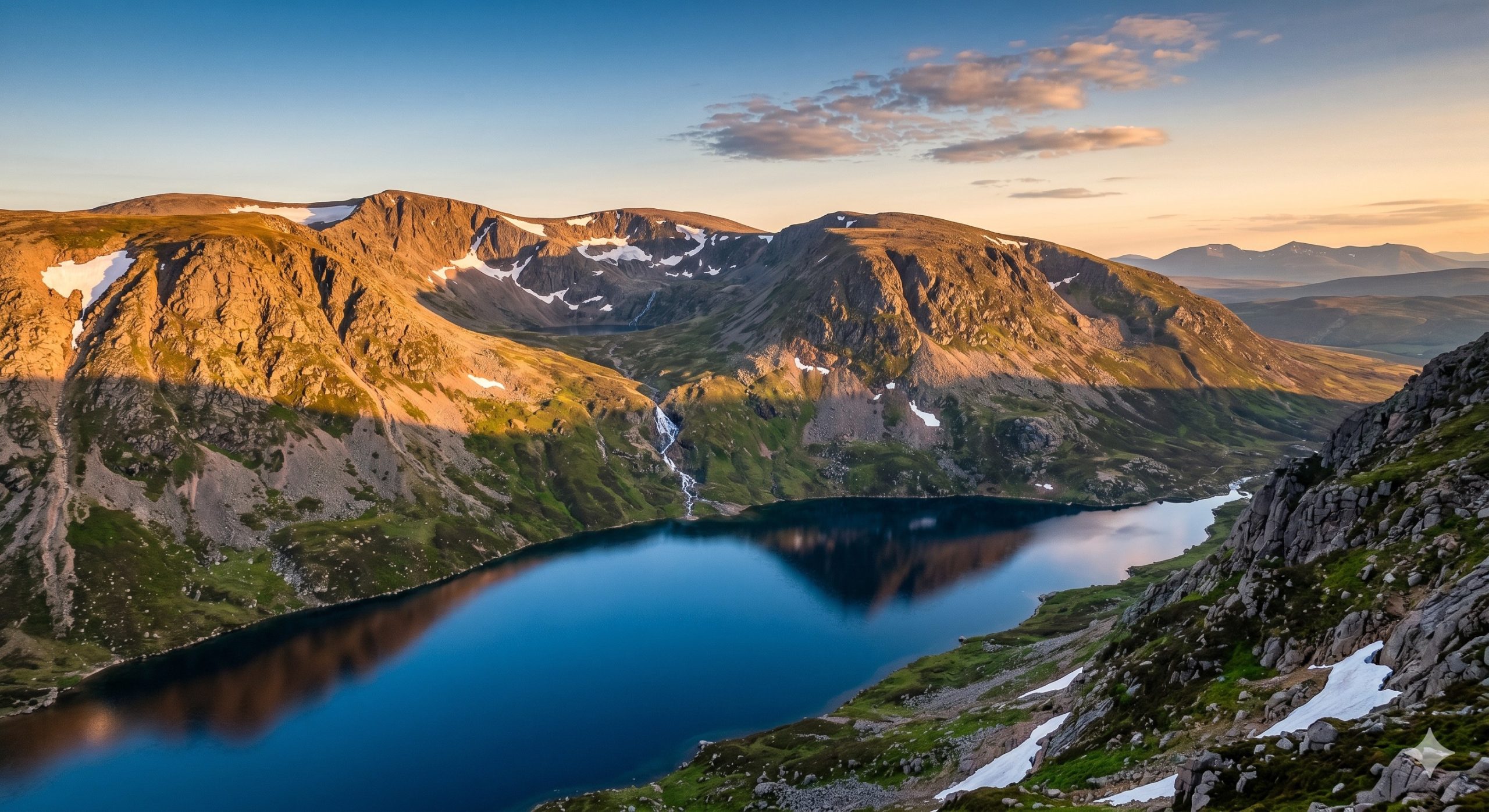
- How to say it: care-n-gorm
- The Backstory: A cairn is a traditional mound of stones used as a memorial or a trail marker to help travelers find their way. Fittingly, the Cairngorms are Scotland’s highest mountain range and its largest nature reserve—a wild, protected paradise where you can actually go skiing!
- Fun Fact: If you've ever seen a traditional Scottish kilt pin, it was likely adorned with a polished "Cairngorm stone" (a beautiful local quartz). The region is also famous for the Cairngorm Brewery, which uses fresh mountain water to craft local ales.
Braemar Lane
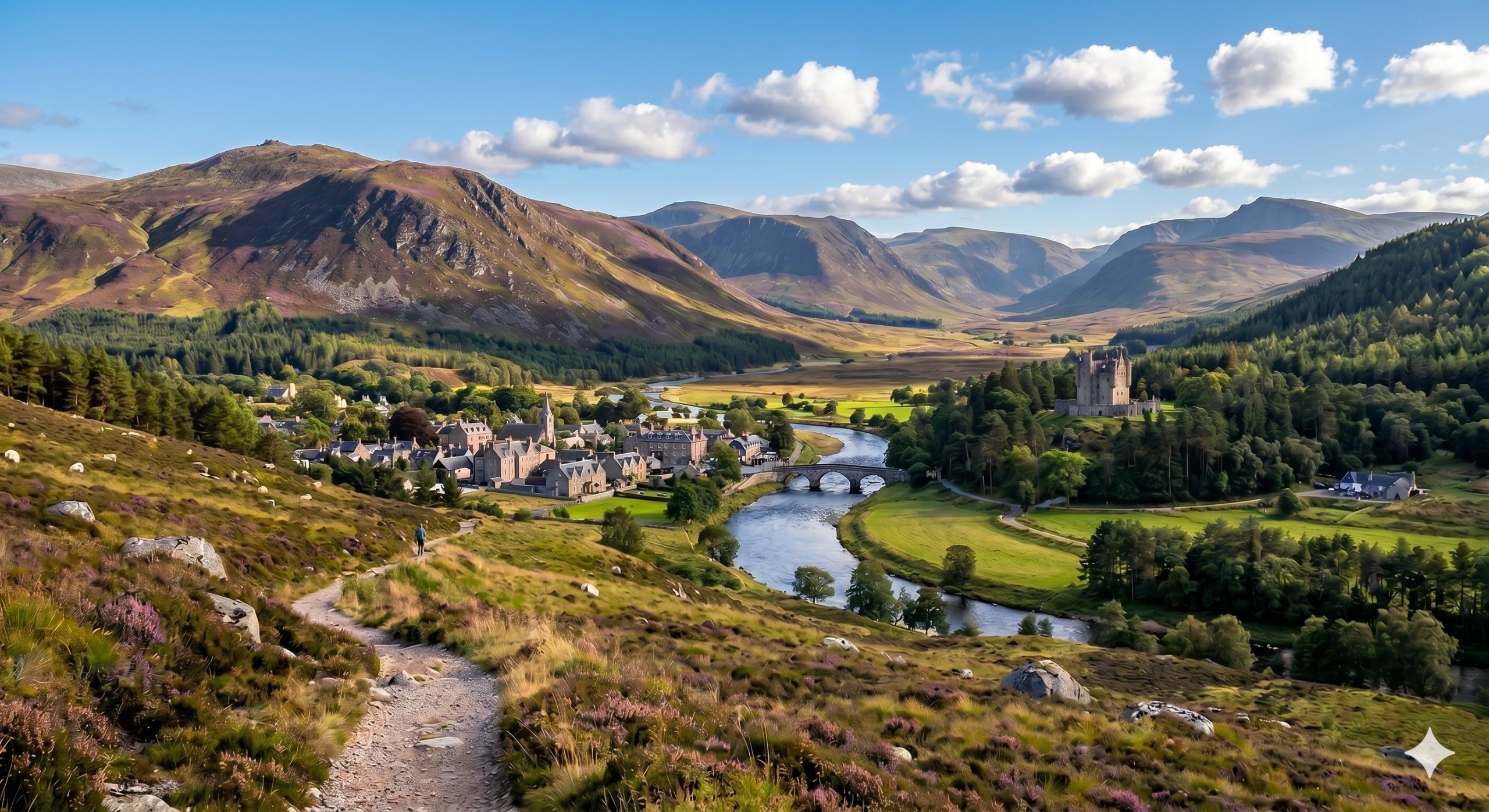
- How to say it: bray-mar
- The Backstory: A brae means a hillside. The real Braemar is a picturesque, high-altitude village nestled in a valley between the mountains. It is officially the highest and most mountainous parish in the UK (even their post office sits at 1,110 feet above sea level!). It boasts 24 "Munros" (mountains over 3,000 feet) and the highest 18-hole golf course in the country.
- The Royal Connection: This area is the historic playground of British royalty. Balmoral Castle—a favorite royal residence—lies just to the east. Queen Victoria made the area her summer holiday center over a century ago, a tradition that continues today with the annual Highland Games. The 17th-century Braemar Castle still stands nearby and is a wildly popular wedding venue.
Ben Tirran Court
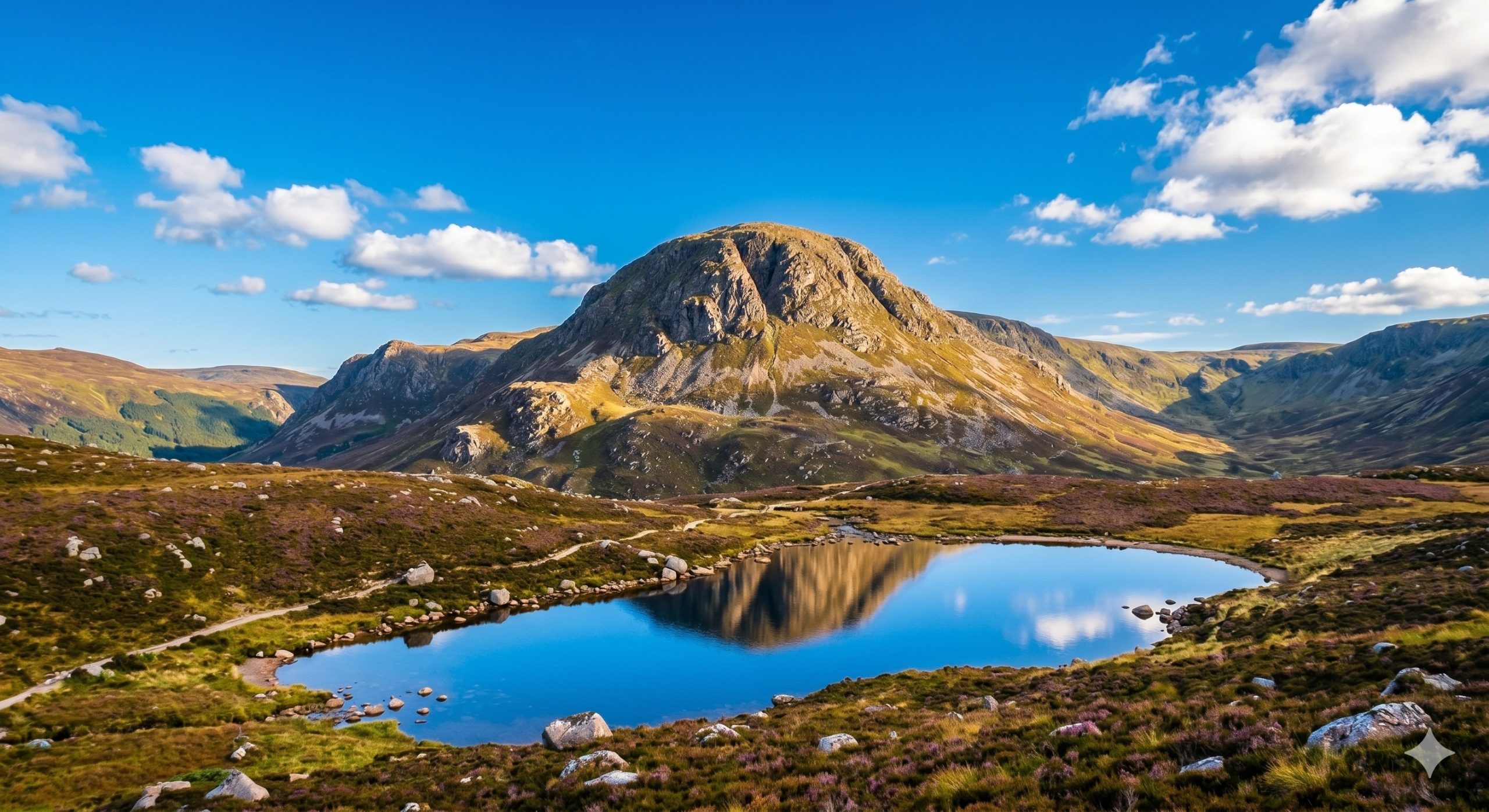
- How to say it: ben teer-an
- The Backstory: In Scotland, a ben is a mountain. Ben Tirran is a legendary trekking route located north of the seaport of Dundee. It’s highly recommended for experienced hikers, featuring steep climbs past the hidden waters of Loch Brandy and stunning views of dramatic rocky buttresses.
The Lakes, Valleys, & Villages
Loch Linneh Lane
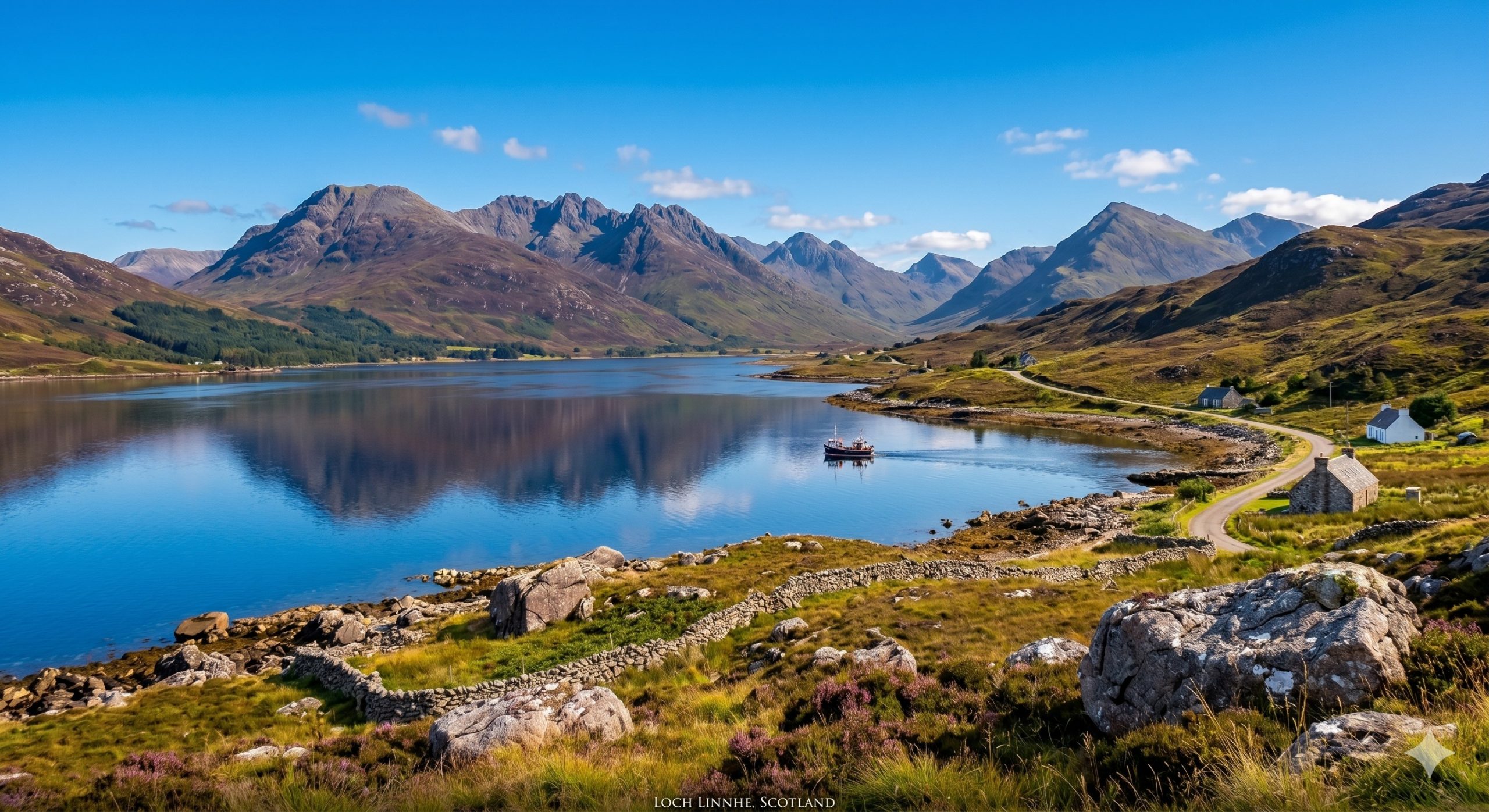
- How to say it: lock lin-â
- The Backstory: A loch is a lake (often carved out by ancient glaciers). Loch Linneh is a beautiful, saltwater sea-loch on Scotland's west coast. At its northern tip sits Fort William, a romantic town with cobblestone streets resting in the shadow of Ben Nevis, Britain’s highest peak. From here, travelers can explore Glencoe—the stunning "Glen of the Weeping"—named for the countless waterfalls cascading down the mountainsides.
Lochwinnoch
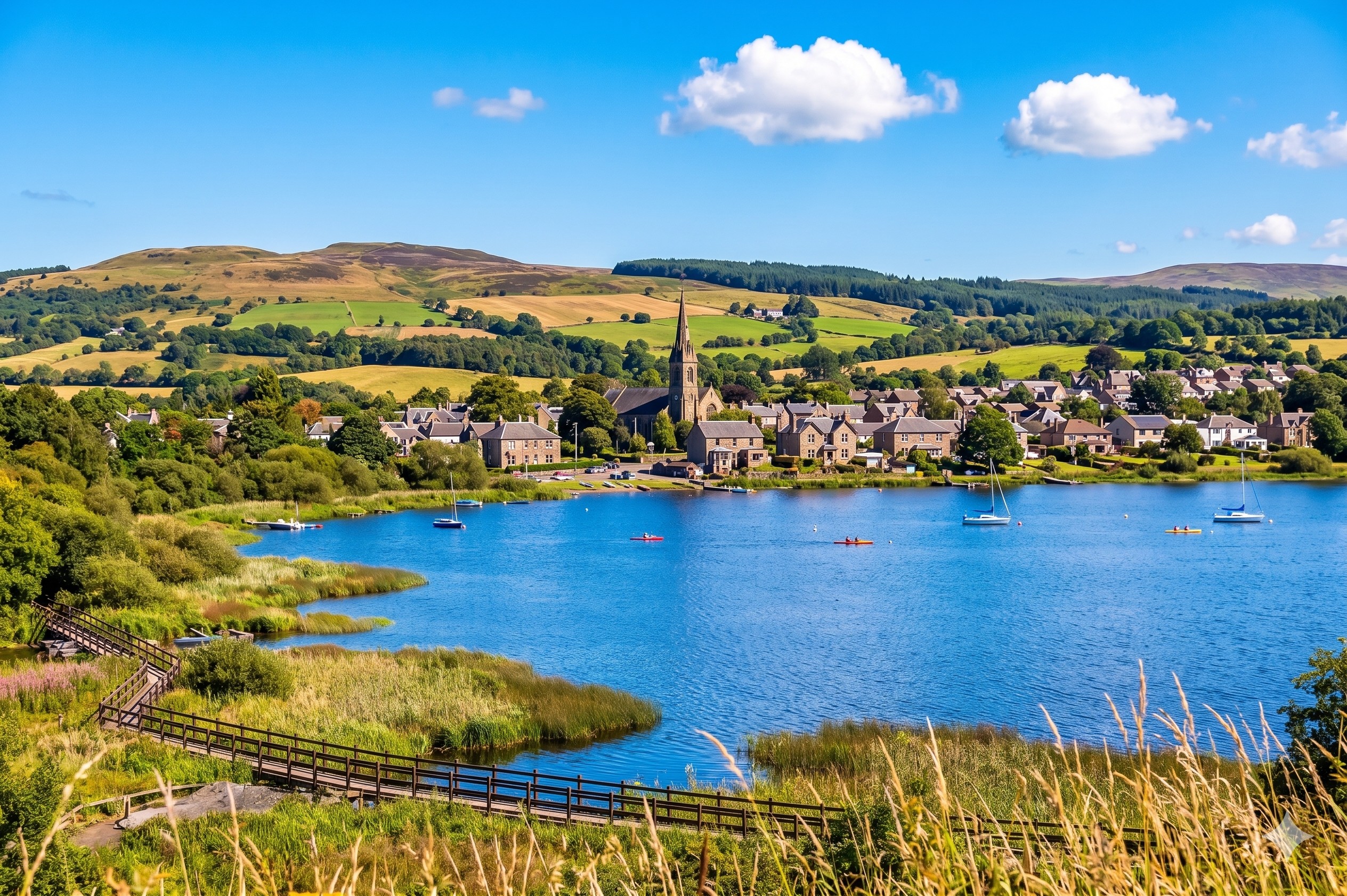
- How to say it: lock-win-knock
- The Backstory: Located just 20 miles southwest of Glasgow, the real Lochwinnoch is a vibrant, picturesque village surrounded by wetlands and wildfowl reserves. It's a major hub for outdoor enthusiasts, featuring a famous cycle track that runs right through the village for energetic travelers.
Killearn Way
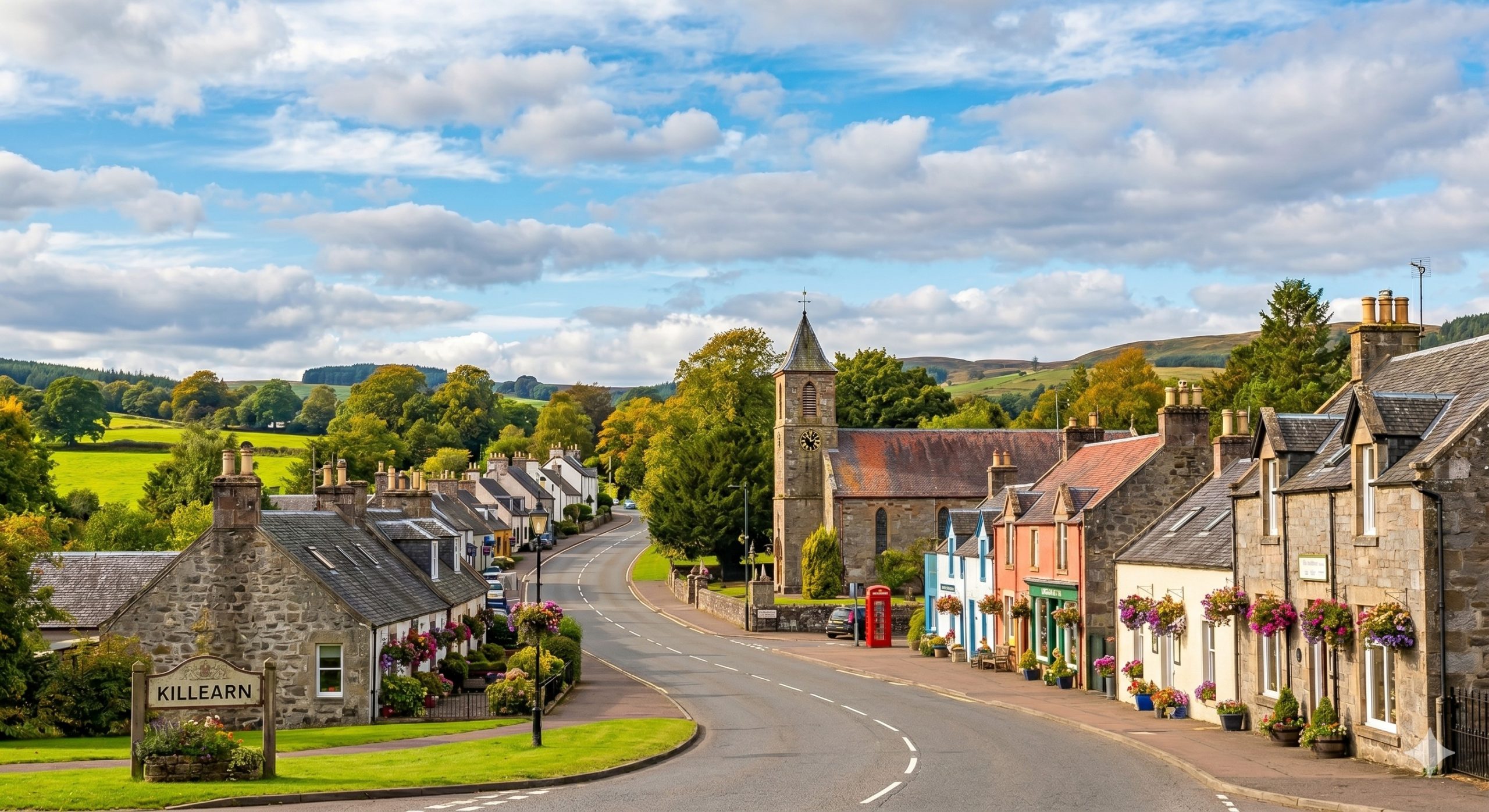
- How to say it: kill-airn
- The Backstory: Killearn is a cozy parish nestled beneath the Campsie Fells hills in west-central Scotland. Aside from its beautiful views, it is famous for hosting Dumgoyne, the most southerly highland malt distillery in Scotland.
Kilninver Court
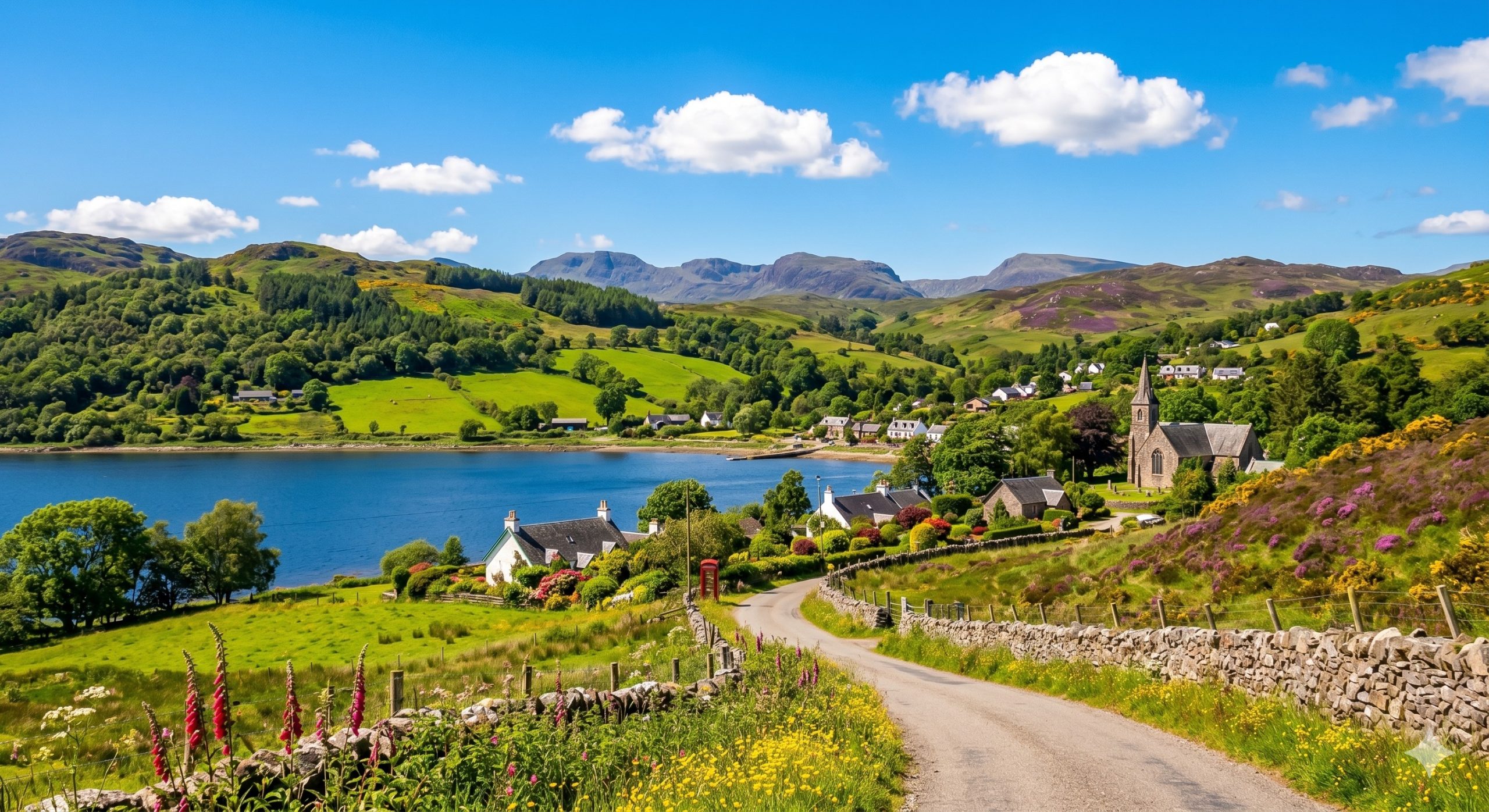
- How to say it: kill-ninver
- The Backstory: Situated on the rocky west coast of Scotland near the town of Oban, Kilninver is a peaceful seaside haven. It's a hot spot for tourists looking for cozy holiday cottages right by the ocean.
The Historic Battlegrounds & Wild Moors
Culloden Court
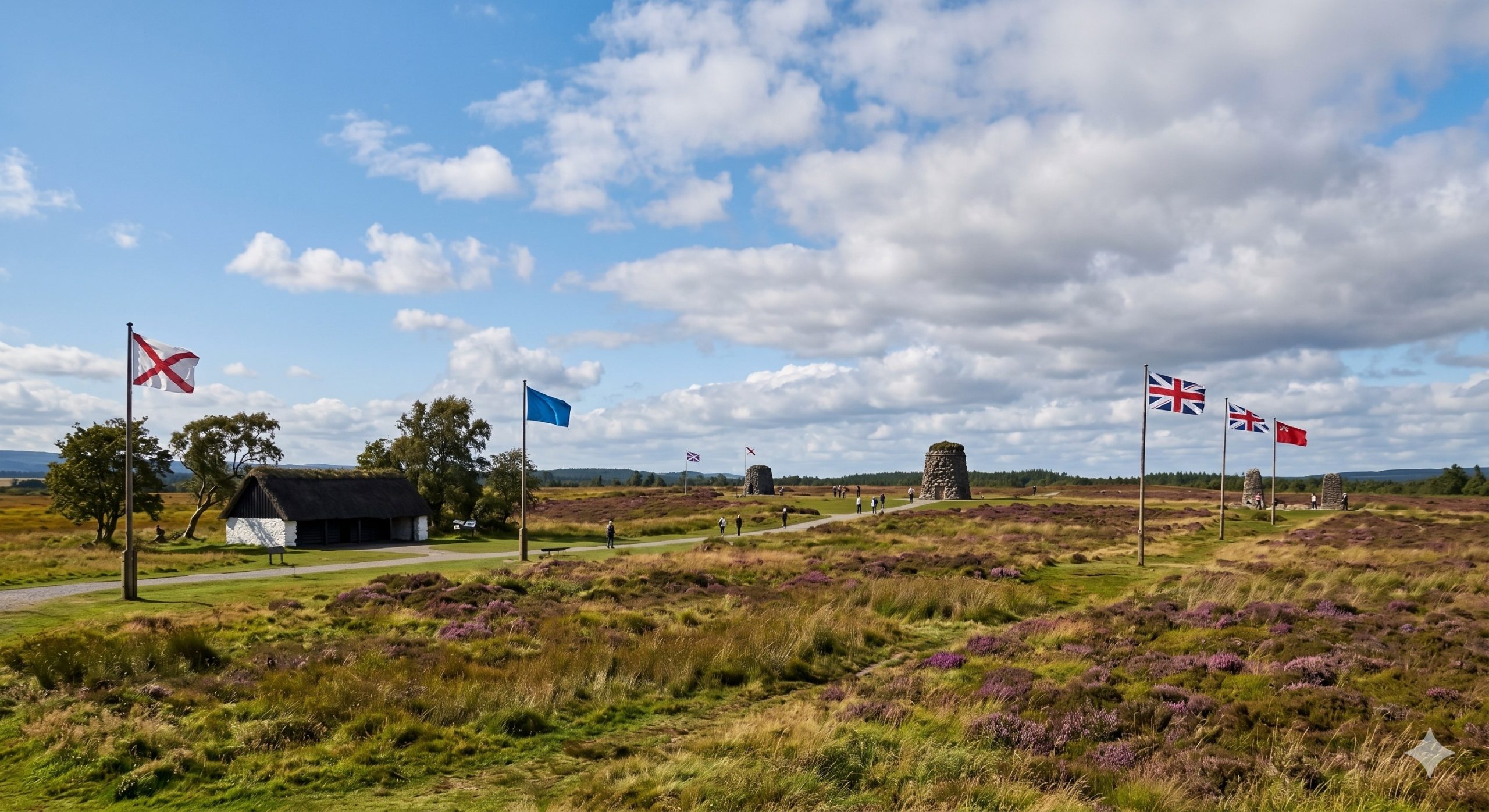
- How to say it: cuh-lod-en
- The Backstory: Culloden is a village near the Moray Firth (a firth is a sea inlet). It is most famous for the Battle of Culloden (1746), fought on the nearby moor. This fierce, tragic battle marked the definitive end of the Jacobite uprising, where British government forces defeated Charles Edward Stuart's highlander army in less than an hour, forever altering the course of Scottish history.
Bannockburn Trail
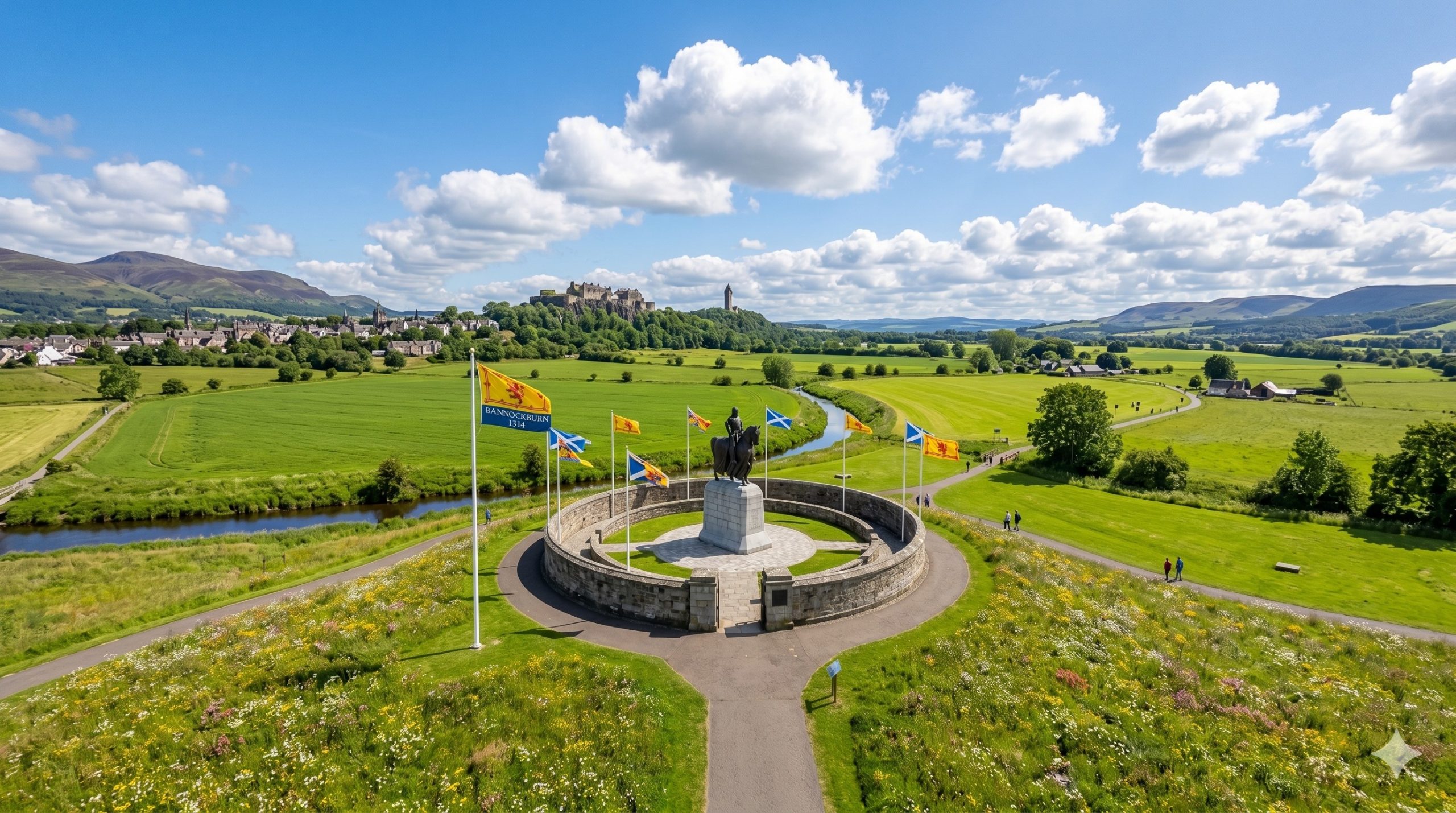
- How to say it: ban-nock-burn
- The Backstory: Named after a burn (a small stream), this central Scottish town was originally famous for weaving fine tartans and tweeds. However, it is legendary for the Battle of Bannockburn in 1314, a massive turning point where Scotland won its independence from England. If the history sounds familiar, it’s because these events were famously dramatized in the movie Braveheart.
Rannoch Moor Way
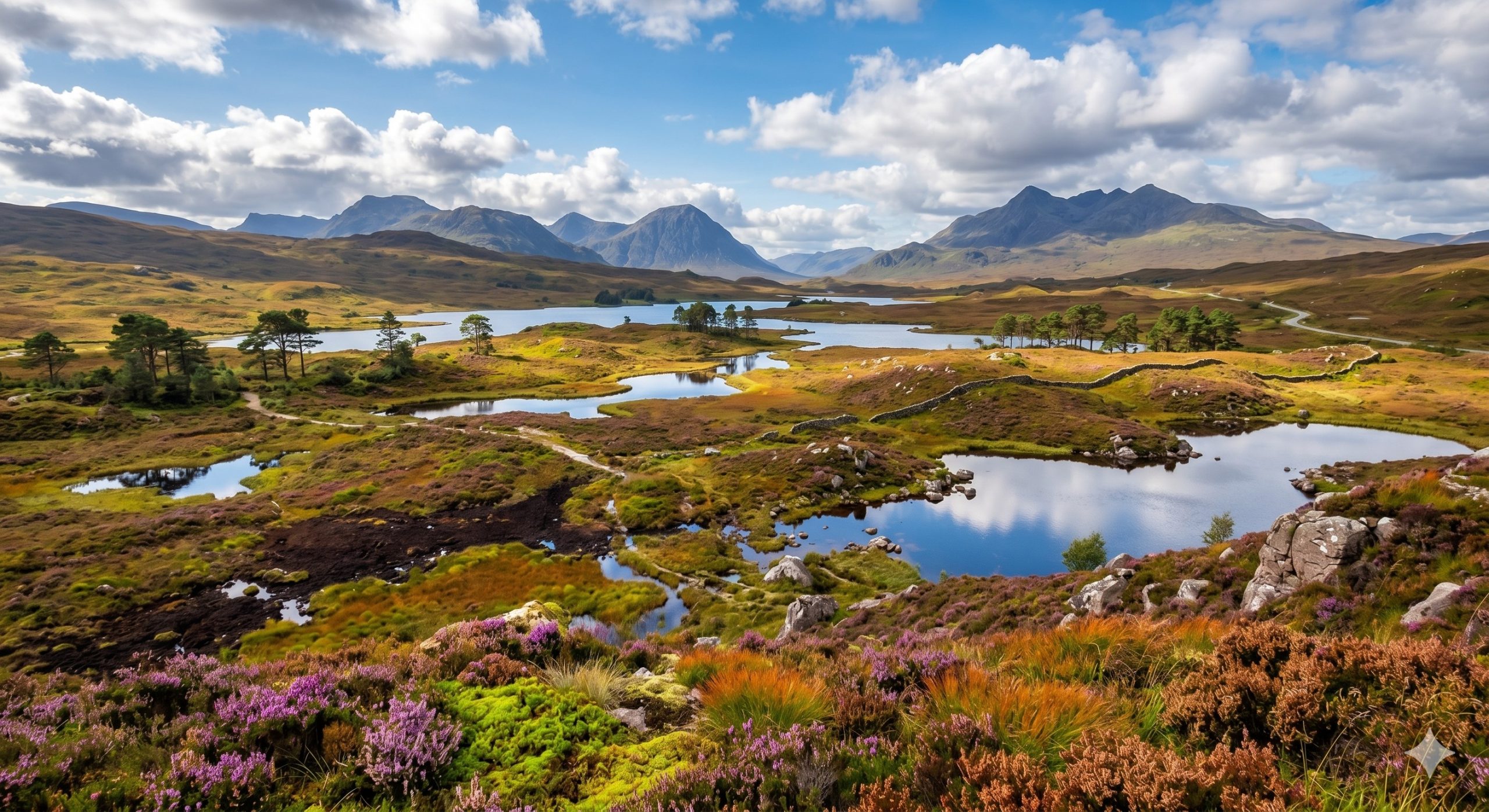
- How to say it: ran-nock moor
- The Backstory: When you picture the quintessential, untamed Scottish Highlands, you are picturing Rannoch Moor. It is 50 square miles of breathtaking, boggy wilderness. In fact, the terrain is so peat-heavy and wet that the original railroad engineers had to float the train tracks on a giant mattress of roots, earth, and ashes to keep them from sinking!
A Wee Blessing for Our Neighbors

Scotland is a magnificent country to visit, but we hope you enjoy having a little piece of its rich heritage right here at home in Highland Park.
We leave you with a timeless Celtic blessing:
"These things, I warmly wish for you: Someone to love, some work to do, a bit o' sun, a bit o' cheer, and a guardian angel always near."